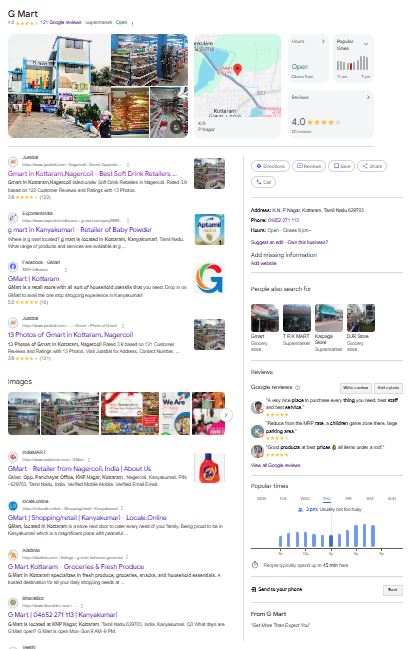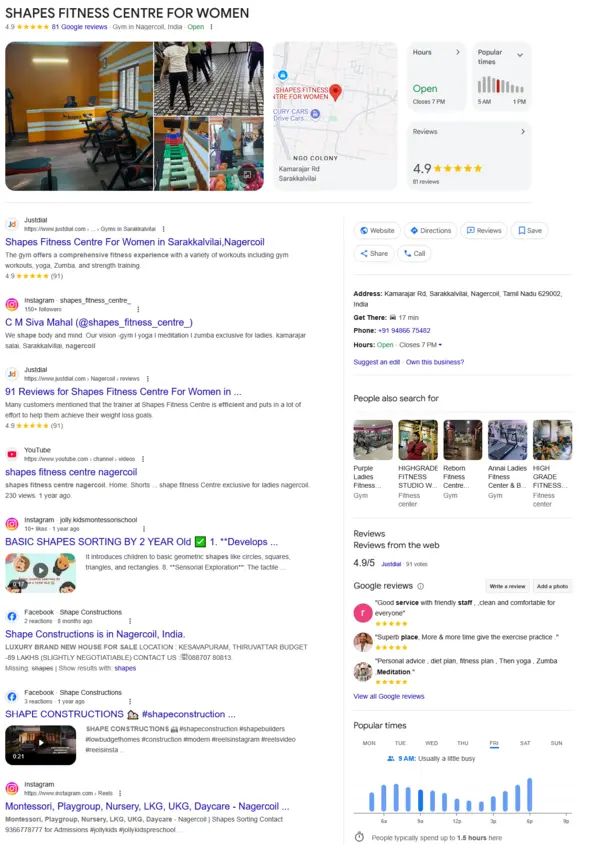
Expanding your business to a country gives you an opportunity to meet new customers and grow in different areas. When you go into a new market, you have to make sure people can find your business online.
Think about this, you own a marketing company in the United States, and you want to open up in the United Kingdom and Australia. You change your website and your Google Business Profile. When someone in London looks for your company, they see an old phone number on one site and a different address on another.
This can confuse customers and make it harder to reach you.
This is where local citations come in. They help keep your business details the same across directories, business listing sites, and industry-specific websites.
When you are expanding around the world, making sure your citations are correct in the directories helps customers find your business and get the right information.
Let’s see how to create local citations when you are going into new markets.
1. Start by Understanding Your New Market
Before you start adding your business to hundreds of directories, take some time to learn about the market you are going into.
Directories that are popular in the United States may not be as important in the United Kingdom, Canada, or Australia. Each country has its sites, local directories, and websites that are used a lot.
For example,
- USA – Yelp, Yellow Pages and Better Business Bureau.
- UK – Yell, Thomson Local and Cylex.
- Australia – Yellow Pages Australia, True Local and Hotfrog.
- Canada – Yellow Pages Canada and Cylex.
These are examples of sites to check, not a list of places where every business must be listed.
If you are going into a country, look at where local people look for businesses in your field. Check which directories your competitors use and whether those sites allow listings from businesses like yours.
The point is not to be on every site. It is to be on the ones that matter for your business and your customers.
2. Prepare Your Business Information Before Creating Listings
Before you begin creating citations, get all your business information in one place. Imagine adding your business to 30 directories and later finding out that your phone number or address was wrong. You would have to fix every listing.
To avoid this, have your business name, address, phone number, website, email, business description, categories, services, hours of operation, logo, and photos ready.
If your business has offices in New York, London, and Sydney, have details for each location.
This makes it easier to submit your business and helps keep your information accurate across directories.
3. Choose Directories That Are Relevant to Your Business
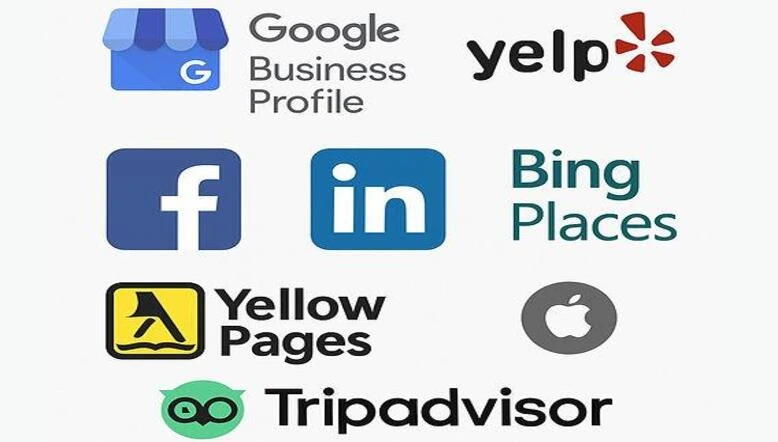
When you are building citations, don’t just focus on the number of listings. Adding your business to every directory is not always helpful.
For example, a dental office should look for health-related directories, a restaurant should use food-related sites, and a law firm should go for law-related directories.
You can choose from these four types of directories.
General Business Directories
These sites list businesses by industry and areas.
Country-Specific Directories
These help your business appear on sites that are important in the country you are entering.
Industry-Specific Directories
These focus on one type of business, which is helpful for reaching customers looking for specific services.
Before you submit your details, check if the directory is active, useful, trustworthy, and right for your business location.
Hyperlocal Directories
These focus on areas like neighborhoods, towns, or local communities. They help your business connect with customers who are looking for local products and services.
4. Maintain NAP Consistency Across Every Country
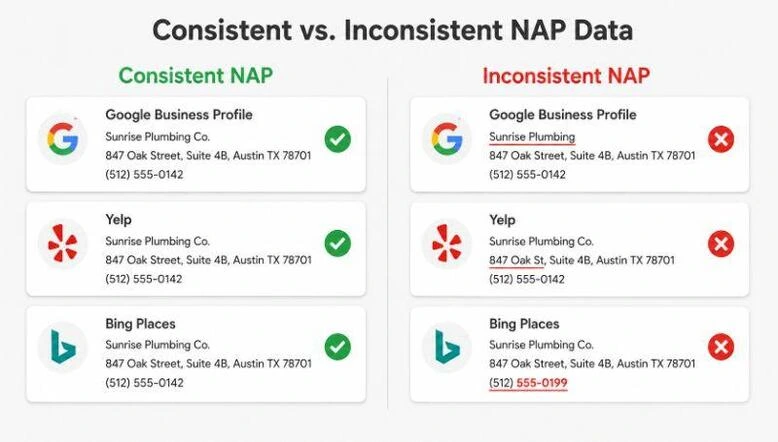
NAP means Name, Address, and Phone Number. These details help customers find and contact your business.
Imagine your business works in three countries. Your Google Business Profile shows one phone number, another directory has a number, and your website has a different address. This can confuse customers.
It is important to have a website, Google Business Profile, and online directories with the correct business information to avoid any confusion.
For each location, make sure the business name, address, postal code, phone number, website link, and hours are correct.
Addresses are different in different countries. It is, in fact, the most popular color in the world, the most widely used color in the world.
5. Use Location-Specific Business Descriptions
Write a business description that says what your company does, the services you offer, and the places you serve.
For example, if you offer IT support in the United States, the United Kingdom, and Australia, create descriptions for each area instead of using the same text everywhere.
Include your services, the customers you target, and the areas you work in. Keep the text natural. Do not duplicate words or include locations that you are not in.
It assists customers in grasping your business and locating the service that they require.
6. Monitor Your Citations and Fix Incorrect Listings
Building citations doesn’t end once you submit your information. Over time, your phone number, address, or website may. Some directories might still show old details. Duplicate listings can also happen.
This is why you should check your citations often. Make sure your business name, address, phone number, and website are correct, and look for outdated listings.
If you find information, contact the directory or use its editing feature to ask for an update.
For businesses in countries, keep a record of all listings and their last changes. This makes managing citations easier. Helps keep your information accurate.
7. Track Your Citation Building Progress
Once you start building citations, keep track of the directories where your business is listed. This is especially helpful when you have locations in different countries.
For example, if your business is on Yelp in the United States, Yelp in the United Kingdom, Yellow Pages in Australia, and 411.ca in Canada, keep a record of each listing. How is it doing?
You can also include the listing URL, the date you submitted it, and when it was last updated. Look at these details often to find any submissions, rejected listings, or wrong business information.
Keeping track of your citations helps you avoid adding the listing twice and makes managing business listings in different countries much easier.
Common Mistakes to Avoid When Building Global Citations
- The inclusion of your business in non-relevant directories – There are many directories that are not relevant to your business or to the customers you wish to attract.
- Addressing by phone number or address – If you have old contact information, it might lead to misunderstandings and a loss of credibility.
- Multiple listings for the same address – Multiple listings for the same address can be confusing and damage your online reputation.
- Using the description everywhere – Your descriptions should show the services and places for each listing.
- Not checking existing listings – Before making ones, see if your business is already listed.
- Only focusing on the number of listings – fewer, more accurate citations are better than many that do not help.
- Not checking if your listing is live – Always make sure your business details are showing correctly after you submit them.
Need help building local citations for your business? Contact the GBPSEO team to get started with citation building and listing management.